Managing rental properties effectively is both an art and a science. For property owners, landlords, and managers, balancing tenant satisfaction, compliance with legalities, and the drive for profitability can feel overwhelming. However, with the right strategies, systems, and mindset, rental property management can become a streamlined process that enhances both income and long-term asset value.
Drawing on insights from experienced property managers and investors with years of hands-on experience, this article explores the critical components of successful property management. Whether you’re self-managing or considering hiring professionals, this comprehensive guide will help you build better tenant relationships, protect your investments, and maximize returns. And if you’re looking for a real estate investor service provider, then you may consider checking out https://nerdbot.com/2025/10/28/how-to-find-a-real-estate-investor-service-provider/ for more info.
Why Property Management Matters
Effective property management is the backbone of rental property success. At its core, property management is about ensuring that your real estate investments generate steady cash flow and grow in value over time. Poor management, on the other hand, can lead to vacancies, high tenant turnover, legal troubles, and even asset devaluation.
Here’s why good property management is essential:
- Increased Cash Flow: By minimizing vacancies, reducing maintenance costs, and fostering tenant satisfaction, you can maximize rental income.
- Asset Protection: Well-maintained properties retain value and attract better tenants.
- Wealth Building: Smart management enhances your net worth through debt reduction, property appreciation, and consistent cash flow.
- Liability Mitigation: Avoid legal trouble by adhering to landlord-tenant laws and fair housing regulations.
Whether you manage properties yourself or hire professionals, the ultimate goal is the same: create a smooth-running operation that protects your investment and generates predictable results.
sbb-itb-9e51f47
Key Components of Successful Property Management
1. Tenant Screening: Choosing the Right Tenants
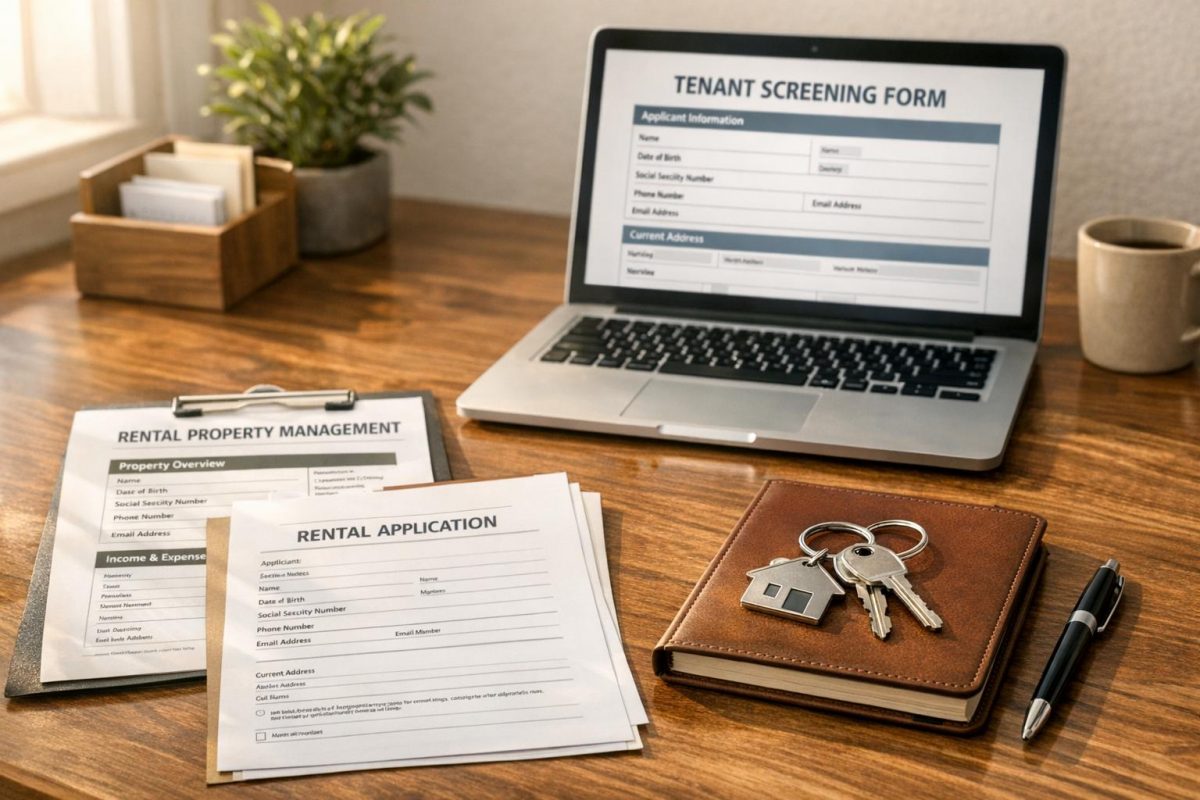
Tenant screening is one of the most critical steps in property management. A well-qualified tenant minimizes the risks of unpaid rent, property damage, and constant turnover. Here’s how to build a robust tenant screening process:
- Require Comprehensive Applications: Every potential tenant should submit a detailed application with accurate rental and employment history.
- Verify Information: Confirm credit scores, rental history (check for evictions), and employment details. A good rule of thumb is requiring income to be at least three times the monthly rent.
- Set Clear Standards: Establish minimum credit requirements and stick to them. Consistency protects you from violating Fair Housing laws.
- Collect Application Fees: A small fee demonstrates tenant seriousness and covers the cost of background checks.
- Beware of Scams: Some tenants may fabricate documents, especially on unverified platforms like Zillow. Always cross-check information and documentation.
2. Legal Compliance and Documentation
Property management involves a significant amount of paperwork. Properly drafted and maintained legal documents protect you from disputes.
- Leases: Use legally vetted leases tailored to local laws. Avoid generic templates that may leave you unprotected in court.
- Lead-Based Paint Disclosures: Required for properties built before 1978.
- Eviction Notices: Follow local protocols for serving eviction forms if necessary.
- Security Deposits: Keep tenant deposits in a separate trust account, as required by law, and document any deductions with receipts and photos.
3. Rent Collection: Streamlining Payments
Efficient rent collection ensures consistent cash flow. Here’s how to optimize the process:
- Automate Payments: Use online systems that allow tenants to set up automatic payments or pay electronically.
- Incentivize Timely Payments: Offer small perks for tenants who consistently pay on time, such as discounts or credits.
- Enforce Late Fees: Clearly communicate and enforce late fees to encourage responsible payment habits.
4. Maintenance and Repairs: Addressing Issues Proactively
Prompt maintenance not only keeps tenants happy but also protects your property from long-term damage.
- Online Maintenance Requests: Provide a simple way for tenants to report issues, such as through a mobile app or website.
- Immediate Response to Emergencies: Have a plan in place for urgent issues like flooding or electrical problems.
- Preventive Maintenance: Regular inspections and upkeep (e.g., HVAC servicing, roof checks) prevent costly repairs later.
- Avoiding “Landlord Specials”: Cheap, rushed fixes can lead to higher expenses over time. Prioritize quality over shortcuts.
5. Tenant Satisfaction: Hospitality Mindset
Borrowing from the hospitality industry, treating tenants as valued customers can significantly improve retention.
- Clear Communication: Keep tenants informed about maintenance schedules, policy updates, or lease renewals.
- Flexibility with Rules: While staying consistent with policies, accommodate tenant needs when possible, such as adjusting rent due dates to align with their paydays.
- Add-On Services: Offer extras like lawn care, renters’ insurance, or appliance rentals to enhance tenant convenience and generate additional income.
Self-Management vs. Professional Management
Self-Management
Managing properties yourself can save money, but it’s time-intensive and requires in-depth knowledge of legal and operational best practices.
Pros:
- Direct control over decisions.
- Potential cost savings.
Cons:
- Time-consuming responsibilities (rent collection, maintenance coordination).
- Greater liability risk.
- Emotional involvement, especially with difficult tenants.
Professional Property Management
Hiring a professional property manager can streamline operations and protect your investment, but it comes with a fee (typically 6–12% of rent).
Pros:
- Expertise in tenant screening, legal compliance, and maintenance.
- 24/7 availability for emergencies.
- Freedom to focus on scaling your portfolio.
Cons:
- Additional costs reduce immediate cash flow.
Ultimately, if managing properties feels overwhelming or detracts from other priorities, outsourcing management to a qualified professional is often worth the expense.
How to Choose the Right Property Manager
When selecting a property management company, look for:
- Experience: They should have a solid history of managing your specific property type (e.g., short-term rentals, multi-family units).
- Technology: Ensure they provide online portals for both owners and tenants, with detailed monthly reports on income, expenses, and maintenance.
- Transparent Fees: Ask about leasing fees, renewal fees, and how add-on income (e.g., pet fees) is handled.
- Reputation: Seek referrals and read testimonials from current clients.
- Communication: Evaluate how promptly they respond to inquiries and how they handle tenant interactions.
Key Takeaways
- Tenant Screening is Critical: Thorough tenant screening minimizes risks and ensures reliable rent payments.
- Stay Legally Compliant: Use professional leases and keep up with landlord-tenant laws to avoid costly mistakes.
- Automate Rent Collection: Online systems reduce friction and ensure consistent cash flow.
- Value Tenant Relationships: Treat tenants like valued guests to encourage long-term occupancy.
- Prioritize Maintenance: Address issues quickly to avoid expensive repairs and maintain tenant satisfaction.
- Consider Professional Management: Outsourcing can save time, protect assets, and improve cash flow in the long term.
Conclusion
Property management is a dynamic and multifaceted responsibility, but with the right strategies, tools, and mindset, it can be highly rewarding. Whether you choose to self-manage or hire professionals, focus on creating efficient systems, maintaining strong tenant relationships, and protecting your investments. By doing so, you can maximize both profitability and peace of mind.
Remember, successful property management is about consistency, education, and treating your rental properties not just as real estate but as thriving assets. The effort you invest today will pay dividends in the years to come.
Source: “Avoiding the Pitfalls of Bad Property Management” – Deal Finders, YouTube, Sep 2, 2025 – https://www.youtube.com/watch?v=QxGKt5rGGHA